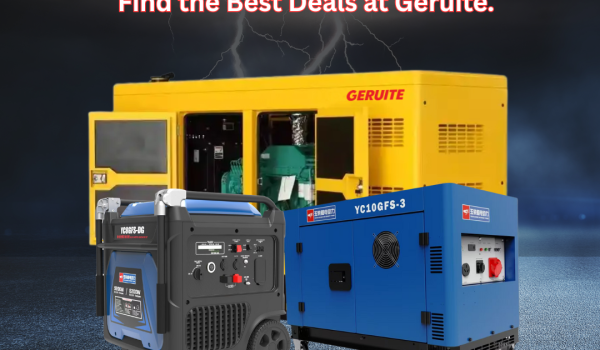
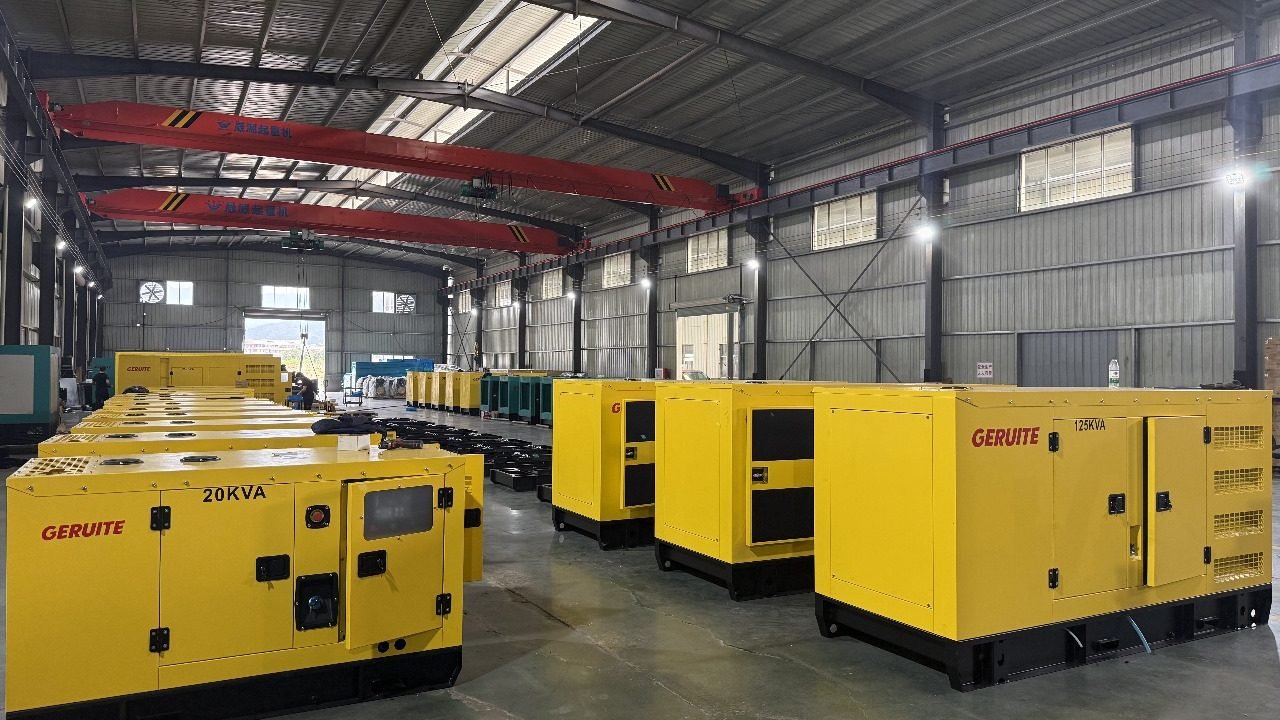
Diesel and Gas Generators: What You Need to Know – Power cuts are a reality in Bangladesh, and for homes, shops, and industries, a generator is no longer a luxury—it’s a necessity. With so many models available, one of the first decisions buyers face is choosing between a diesel generator and a gasoline (petrol) generator, as each serves different needs and offers distinct advantages and limitations.
Both options have their place, but they serve different needs. This guide will walk you through the key differences, pros and cons, and buying considerations so you can make the right choice.
Why Choosing the Right Fuel Type Matters
- Operating cost: Fuel efficiency impacts your monthly bills.
- Usage patterns: Short backup vs continuous operation makes a big difference.
- Appliance safety: Power stability varies between diesel and gas units.
- Durability: Heavy industry needs long-lasting machines, not short-cycle backups.
- Noise and space: Urban homes may prioritize silence, while rural sites focus on runtime.
Diesel Generators: Reliable Workhorses
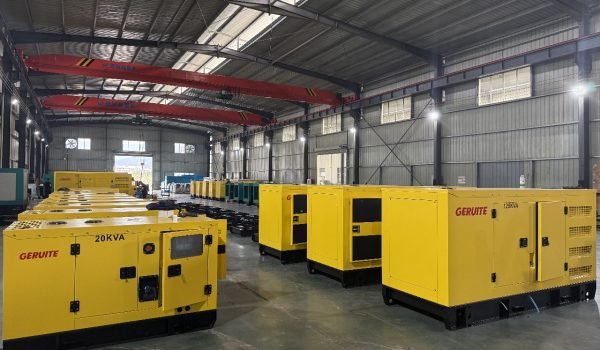
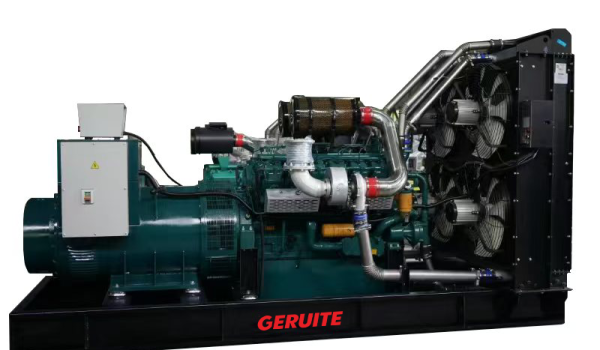
Diesel generators are the backbone of Bangladesh’s construction sites, factories, and SMEs. They’re built to handle tough conditions and long hours.
Advantages
- Highly fuel-efficient for large loads
- Longer lifespan (10–15 years with proper service)
- Available in higher kVA ratings (5–20+ kVA)
- Handles heavy loads and high startup surges easily
- Better for continuous use and industrial work
Limitations
- Higher upfront cost
- Louder than petrol models (though silent diesel units exist)
- Require scheduled maintenance (oil, filters, coolant)
Gas Generators: Affordable and Compact
Gasoline (petrol) generators are common in homes, apartments, and small businesses. They are best suited for light, occasional use.
Advantages
- Lower purchase price, budget-friendly
- Lighter, compact, and portable
- Quieter than standard diesel units
- Easier maintenance with simple engines
- Readily available in small kVA sizes (2–5 kVA)
Limitations
- Higher running cost due to fuel consumption
- Shorter lifespan compared to diesel
- Not suitable for heavy-duty loads
- Petrol prices fluctuate more than diesel
Understanding Diesel and Gas Generators: Key Comparison and Benefits
| Feature | Diesel Generators | Gas Generators |
| Fuel Efficiency | Very efficient, low cost per kWh | Less efficient, higher cost per kWh |
| Durability | Long life, heavy-duty build | Shorter lifespan, light-duty use |
| Power Output | High kVA, suitable for industry & factories | Low to medium kVA, ideal for homes/shops |
| Noise Level | Louder, but silent models available | Quieter, good for residential use |
| Maintenance | Requires regular servicing | Simpler, easier upkeep |
| Upfront Cost | Higher purchase price | Lower purchase price |
| Best For | Construction, SMEs, industry, farms | Homes, small shops, light backup |
Key Buying Consideration
- How often will you use it?
- Daily, long hours → Diesel
- Occasionally, 1–2 hours → Gas
- Daily, long hours → Diesel
- What are you powering?
- Heavy machines, pumps, welding → Diesel
- Fans, lights, router, small fridge → Gas
- Heavy machines, pumps, welding → Diesel
- What’s your budget?
- Higher upfront but long-term savings → Diesel
- Lower upfront but higher running cost → Gas
- Higher upfront but long-term savings → Diesel
- Do you need silence?
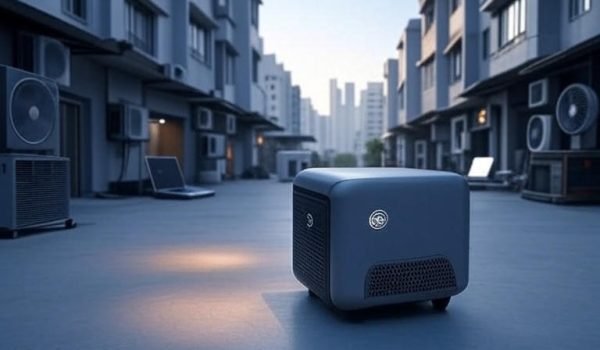
- Urban apartments/offices → Silent gas or hybrid inverter models
- Construction/rural sites → Diesel with sound enclosure
- Urban apartments/offices → Silent gas or hybrid inverter models
- What’s your growth plan?
- Businesses expanding should choose diesel for scalability
- Homes with limited needs can stick to petrol models
- Businesses expanding should choose diesel for scalability
FAQs
Q1. Which generator is best for apartments?
For apartments where space and noise are a concern, small Diesel and Gas Generators, such as gasoline units or silent diesel models (2–5 kVA), are the ideal choice. They provide reliable backup power without disturbing neighbors.
Q2. Can a petrol generator run heavy appliances like ACs or pumps?
Petrol generators are not suitable for heavy appliances that require high startup currents. For such loads, Diesel and Gas Generators with diesel models are more reliable and handle industrial-grade equipment safely.
Q3. Are diesel generators too noisy for city use?
Not necessarily. Modern silent Diesel and Gas Generators are designed to operate at noise levels comparable to a normal conversation, making them suitable even in urban apartments or offices.
Q4. Which option saves money in the long run?
While diesel units may cost more upfront, Diesel and Gas Generators powered by diesel are more fuel-efficient and durable. Over 5–10 years, they offer better savings compared to petrol generators.
Q5. Do both require the same maintenance?
Maintenance varies by fuel type. Diesel models of Diesel and Gas Generators need regular, scheduled servicing, while petrol units are easier to maintain but have a shorter lifespan and higher long-term running costs.
Conclusion: Which One Should You Choose?
There is no one-size-fits-all answer. The best Diesel and Gas Generators generator depends on who you are and how you use it.
- For construction companies, SMEs, farms, and heavy-duty operations: Diesel is the smarter choice.
- For homes, apartments, and small shops with light backup needs: Gasoline (petrol) generators are practical and affordable.
By carefully matching your needs to the right type, you’ll get reliable power, better value, and peace of mind.
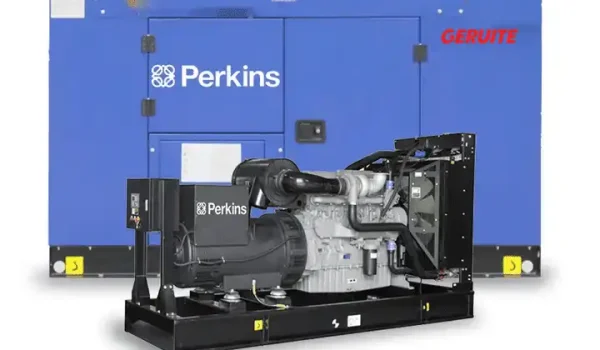
Geruite Bangladesh offers a full range of both diesel and gas generators, optimized for the local market with strong after-sales service and spare parts availability. Whether you want rugged durability or simple convenience, Geruite has a solution that fits your needs.