In Bangladesh’s growing urban centers—Dhaka, Chittagong, Sylhet—electricity demand often outpaces supply. Power outages remain a challenge for households, restaurants, clinics, and offices. But in cities, one issue becomes just as important as backup power itself: noise. That’s where silent generators come in.
Unlike conventional generators, silent models are engineered with acoustic insulation and vibration control, making them suitable for densely populated areas. But before you purchase one, it’s important to understand the key factors that ensure your investment delivers both power and comfort.
Why Silent Generators Are Essential in Urban Areas
- Noise regulations: Many urban neighborhoods restrict the use of noisy machines.
- High population density: Excessive generator noise disrupts families, customers, and workspaces.
- Business reputation: Restaurants, shops, and offices gain from quieter environments.
- Health and comfort: Prolonged exposure to noise causes stress and reduces productivity.
1. Noise Level (dB Rating)
The first feature to check is the decibel rating. Silent generators are usually rated between 50–65 dB at 7 meters, comparable to a conversation or background music.
- Below 60 dB: Best for residential use and small offices.
- 60–65 dB: Acceptable for shops, clinics, and commercial spaces.
- Above 65 dB: Not ideal for apartments or dense urban areas.
2. Power Capacity
Your generator must balance quiet performance with sufficient output. Calculate your load:
- Apartments: 2–5 kVA is typically enough for lights, fans, fridge, router, and one AC.
- Restaurants/Shops: 5–8 kVA covers fridges, POS, lights, and appliances.
- Clinics/Offices: 8–15 kVA ensures stable backup for computers, servers, and equipment.
Always add a 20–30% buffer to handle startup surges.
3. Fuel Type and Efficiency
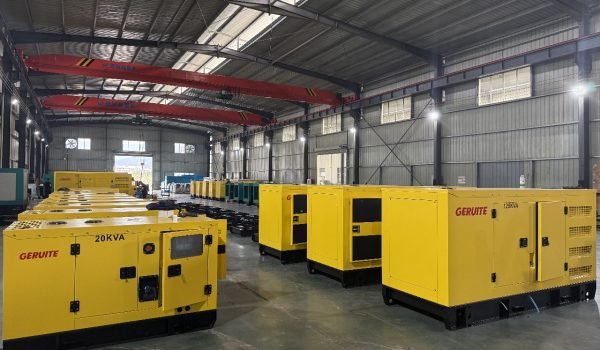
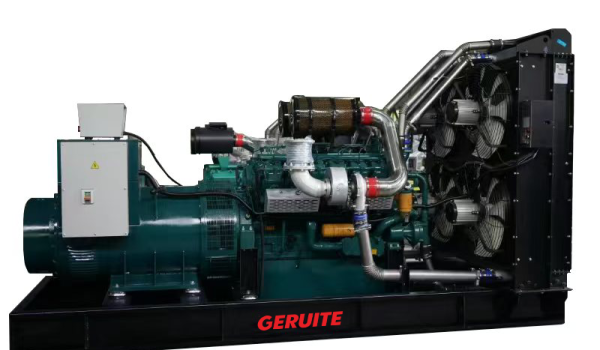
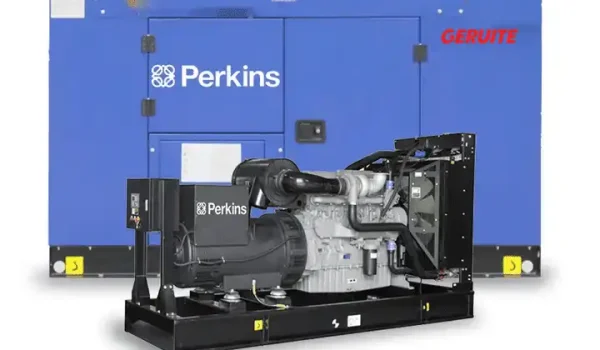
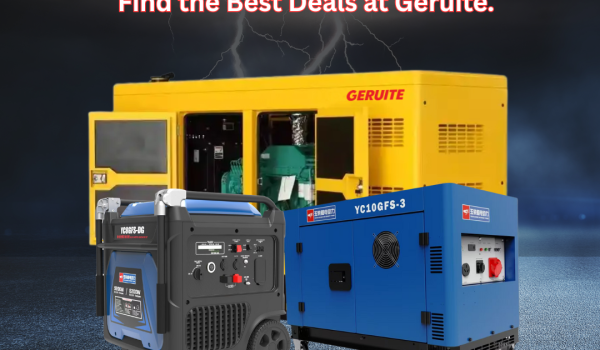
- Diesel Silent Generators: More fuel-efficient and longer runtime, common in SMEs and industries.
- Petrol Silent Generators: More compact and affordable, suitable for homes and small shops.
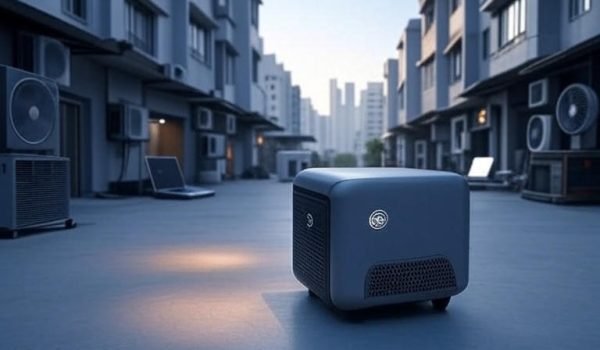
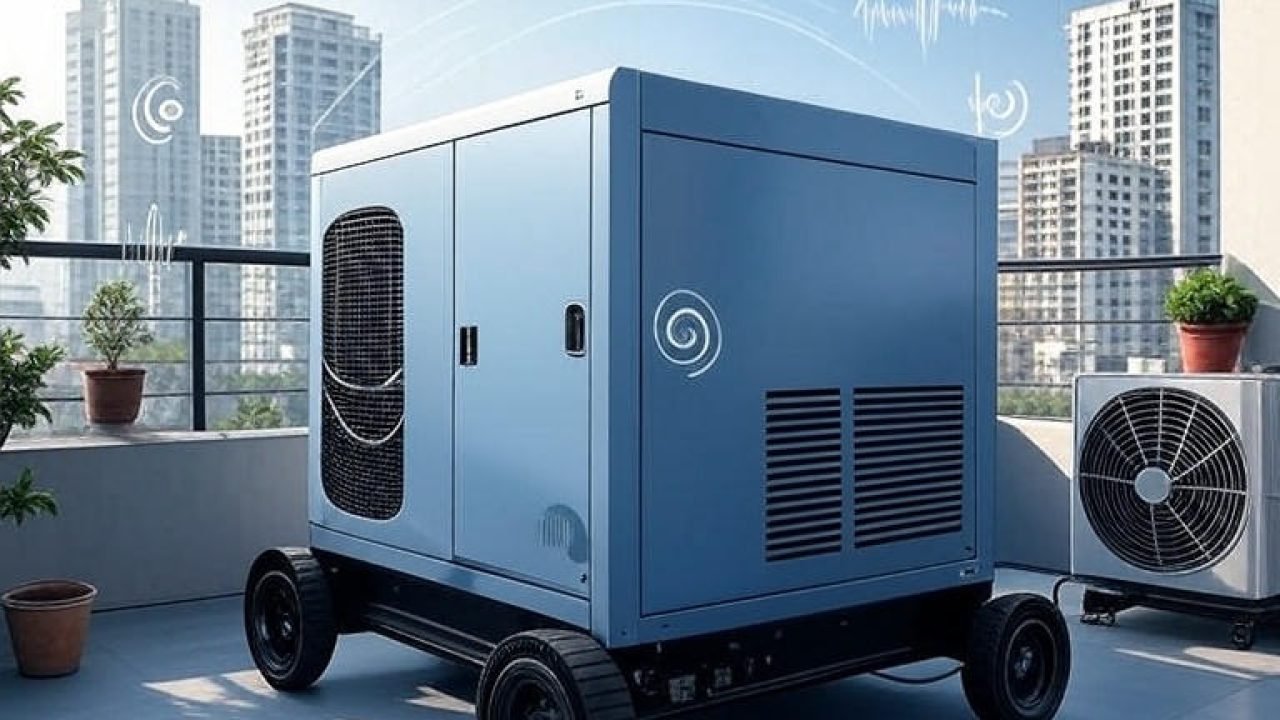
- Hybrid Silent Generators: Combine battery, inverter, and engine for ultra-quiet, fuel-saving operation—ideal for modern urban apartments or offices.
4. Design and Build Quality
Urban use requires compact and durable designs. Look for:
- Acoustic enclosures with soundproof materials.
- Anti-vibration mounts to reduce mechanical noise.
- Corrosion-resistant housings for Bangladesh’s humid environment.
- Easy mobility for apartment balconies or commercial rooftops.
5. Power Quality (THD & AVR)
Urban consumers often power sensitive electronics—computers, routers, TVs, medical equipment. Choose a silent generator with:
- Low Total Harmonic Distortion (THD < 3–5%)
- Automatic Voltage Regulation (AVR)
- Pure sine wave inverter technology for hybrid/inverter silent models
These features prevent voltage spikes that can damage devices.
6. Maintenance and After-Sales Support
No generator is truly “silent” about costs if maintenance is difficult. Ensure:
- Local dealer network for servicing and spare parts
- Warranty coverage for engine and alternator
- Readily available filters, AVR boards, and consumables
- Trained technicians for quick repairs
Brands like Geruite Bangladesh stand out for strong service presence in urban hubs.
7. Compliance with Local Regulations
Dhaka City Corporation and other municipal bodies are becoming stricter about noise and emission standards. Investing in a certified silent generator ensures you stay compliant while avoiding fines and complaints.
Frequently Asked Questions
Are silent generators completely noiseless?
No. They are significantly quieter than conventional models but still produce some sound, usually between 50–65 dB.
Which is better for city use: diesel or hybrid silent generators?
For long runtimes, diesel is better. For quieter, fuel-saving, and eco-friendly operation, hybrids are the future-ready choice.
Do silent generators cost more?
Yes. The acoustic insulation and advanced technology raise upfront costs, but the comfort and compliance benefits outweigh them in urban settings.
Can a silent generator run an air conditioner?
Yes, provided the capacity is sufficient. Always size the generator with a buffer for surge loads.
Conclusion: Choosing the Right Silent Generator
Purchasing a silent generator for urban use is about more than just backup power—it’s about ensuring comfort, compliance, and efficiency. By focusing on noise levels, capacity, fuel type, power quality, and after-sales support, you can select a generator that fits seamlessly into your city lifestyle.
For households, compact portable or hybrid silent models work best. For businesses and clinics, diesel silent generators provide reliability. And for those who want to future-proof, Geruite’s hybrid silent generators offer the perfect balance of silence, savings, and sustainability